




Greenwich sits in a high-risk water damage zone where Long Island Sound meets the Mianus River and multiple tidal inlets. Properties near the shoreline in Belle Haven and Old Greenwich face storm surge flooding during nor'easters, while inland homes in Backcountry contend with groundwater intrusion from the area's high water table and clay-heavy soil that doesn't drain well. The town's aging infrastructure means many Greenwich homes still have galvanized pipes from the 1950s that corrode from the inside, causing sudden failures without warning.
Winter freeze-thaw cycles hit hard here. Temperatures swing from below freezing at night to above freezing during the day, causing pipes in unheated spaces to burst. Historic homes in Cos Cob and Riverside have plaster walls and hardwood floors that absorb water quickly, making rapid response critical. Greenwich's strict historic district regulations also mean restoration work must preserve original materials and meet specific standards, requiring expertise beyond basic water removal. Humidity from the Sound accelerates mold growth within 24 to 48 hours of water exposure, turning a pipe leak into a health hazard if not handled immediately.
We built our reputation responding to the worst flooding Greenwich has seen. When Hurricane Sandy pushed five feet of seawater into Riverside in 2012, we worked around the clock for three weeks straight, restoring 47 homes while other companies turned away customers. That experience taught us what Greenwich property owners need: speed, expertise with historic materials, and the ability to handle insurance documentation without adding stress to an already difficult situation.
Our technicians train specifically on the building materials common to Greenwich. We know how to dry century-old oak flooring without warping, extract water from horsehair plaster without destroying walls, and salvage antique moldings that can't be replaced. We carry specialized equipment other restoration companies don't stock: low-grain refrigerant dehumidifiers for basement flooding, injectidry systems for hardwood floors, and hydroxyl generators that eliminate odors without forcing you to evacuate.
We answer our phones in under three rings, 24 hours a day. You talk directly to a technician who can dispatch immediately, not a call center three states away. Our average response time to any address in Greenwich is 43 minutes. We arrive with thermal imaging to find hidden moisture, truck-mounted extractors that remove thousands of gallons per hour, and documentation systems that photograph and log everything for your insurance claim.
Unlike franchises that subcontract the actual work, our technicians are Heritage employees who live in Fairfield County. They know Greenwich streets, understand local building codes, and have restored properties in your neighborhood. We hold IICRC certifications in water damage restoration, applied structural drying, and mold remediation. Our work meets Connecticut Department of Public Health standards for microbial remediation and complies with Greenwich building department requirements for restoration permits.

We dispatch from our Greenwich facility within minutes of your call, arriving with truck-mounted extraction equipment and industrial dehumidifiers before water spreads to unaffected areas. Our technicians carry thermal cameras to locate hidden moisture in walls and ceilings that standard meters miss. Fast response stops thousands in additional damage and prevents mold colonization.

We document every water-damaged surface with photographs, moisture readings, and detailed scope reports your insurance adjuster needs to approve your claim. Our estimates align with Xactimate pricing that all major carriers use, eliminating disputes over costs. We coordinate directly with your adjuster, handle supplemental claims for hidden damage, and get you the maximum coverage your policy allows.
Greenwich's historic homes require expertise beyond basic water removal. We use specialized drying systems for plaster walls, hardwood floor rescue techniques that prevent cupping, and gentle extraction methods that preserve antique materials. Our technicians understand the moisture characteristics of old-growth timber, horsehair plaster, and original millwork that can't simply be replaced if damaged during restoration.
We know which Greenwich neighborhoods flood during heavy rain, where the oldest pipe infrastructure fails, and how coastal properties behave during storm surge. Our technicians have worked in virtually every Greenwich neighborhood and understand the unique challenges each area presents. This local knowledge means faster diagnosis, more accurate estimates, and restoration approaches tailored to your specific property type.
Water damage takes different forms depending on the source, contamination level, and affected materials. A clean water supply line break requires different handling than sewage backup in your basement. Heritage Water Damage Restoration Greenwich provides comprehensive response for all water damage scenarios, from initial emergency extraction through final restoration and repair.
Our service range covers water removal, structural drying, dehumidification, mold remediation, content restoration, reconstruction, and insurance claim management. We handle residential properties from single-family homes to luxury estates, plus commercial buildings including offices, retail spaces, and industrial facilities. Every project starts with moisture mapping using thermal imaging and professional-grade meters to identify all affected areas, including hidden water in wall cavities and subfloors that causes problems weeks later if missed.
We categorize water damage by contamination level and adjust our protocols accordingly. Clean water from supply lines gets extracted and dried with standard equipment. Gray water from appliance overflows requires antimicrobial treatment. Black water from sewage or flooding demands full hazmat protocols with disposal of porous materials that can't be safely cleaned. Our technicians assess contamination on arrival and implement the appropriate response to protect your health and meet Connecticut remediation standards.
When water floods your property, immediate extraction prevents secondary damage to flooring, walls, and belongings. Our truck-mounted extractors remove thousands of gallons per hour from basements, crawlspaces, and living areas. We use weighted extraction tools for carpet and padding, then place air movers and dehumidifiers in strategic positions to dry structural materials. Our mitigation process stops damage progression while we develop a full restoration plan. We extract standing water, remove unsalvageable materials, treat affected surfaces with antimicrobial solutions, and establish drying chambers to prevent mold growth.
Removing standing water is just the first step. Moisture trapped in walls, subfloors, and structural cavities causes rot, mold, and material failure if not properly dried. We use thermal imaging to map moisture, then implement drying systems engineered for your specific materials. Hardwood floors get specialty mat systems that pull moisture without causing cupping. Plaster walls receive gentle air circulation that dries without cracking. We monitor moisture levels daily with professional meters and adjust equipment until readings meet industry dry standards, typically seven to ten days depending on materials and saturation depth.
Mold begins colonizing water-damaged materials within 24 to 48 hours in Greenwich's humid climate. If you discover mold growth or smell musty odors after water damage, professional remediation is necessary to protect your health and prevent spread. Our certified technicians establish containment barriers, use HEPA filtration to capture airborne spores, remove colonized porous materials, and clean salvageable surfaces with EPA-registered antimicrobials. We follow Connecticut DPH protocols for mold remediation, document the process for insurance claims, and provide post-remediation testing to verify successful cleanup before reconstruction begins.
Greenwich properties experience water damage from sources that range from sudden catastrophic failures to slow leaks that go unnoticed for months. Coastal locations face flooding from storm surge and heavy rain that overwhelms drainage systems. Older homes have aging plumbing that fails without warning. Modern homes have complex systems with more potential failure points. Understanding common scenarios helps you recognize problems early and respond appropriately.
Climate conditions in Greenwich create perfect conditions for water damage. Winter temperatures cause pipe bursts in unheated areas. Spring rain saturates soil and pushes groundwater into basements. Summer humidity accelerates condensation on cold pipes. Fall nor'easters bring wind-driven rain that penetrates siding and roofing. Each season presents unique risks that require vigilance and preventive maintenance to avoid expensive emergency repairs.
Greenwich's high water table means many properties have groundwater that rises during heavy rain and pushes through foundation walls, cracks, and floor drains. Older homes lack proper exterior waterproofing, while newer construction may have failed drainage systems. We extract groundwater, identify entry points, and coordinate with waterproofing contractors to implement permanent solutions. Repeated basement flooding indicates drainage problems that emergency pumping alone won't fix.
Water expands when frozen, bursting copper and PEX pipes in attics, crawlspaces, and exterior walls. Many Greenwich homes have pipes in unheated garages or poorly insulated additions that freeze when temperatures drop below 20 degrees. A single burst pipe can release hundreds of gallons before you discover the leak, flooding multiple rooms and causing extensive damage. We handle freeze-related pipe bursts weekly during January and February cold snaps.
Water heaters, washing machines, dishwashers, and refrigerator ice makers all have supply lines and internal components that eventually fail. A leaking water heater can flood a basement overnight. A failed washing machine hose releases water under full pressure until someone shuts off the valve. Toilet supply lines crack and spray water across bathroom floors. These failures happen suddenly and often go unnoticed until significant damage occurs, especially in second homes or properties with absentee owners.
Properties near Long Island Sound and the Mianus River face flooding during hurricanes, tropical storms, and nor'easters that produce storm surge. Even properties blocks from the water flood when intense rainfall overwhelms drainage systems and causes street flooding that enters through foundation vents and garage doors. Coastal flooding introduces salt water that corrodes mechanical systems and requires specialized cleaning beyond standard water damage restoration protocols.
Water damage creates stress and uncertainty. You're dealing with property damage, insurance questions, and disruption to your daily life. Our process is designed to remove that stress by handling everything from emergency response through final restoration. You get a single point of contact who coordinates all aspects of your project, communicates clearly about timelines and costs, and ensures work meets the quality standards Greenwich property owners expect.
We start every project with a detailed inspection and moisture assessment. We don't give estimates over the phone because accurate pricing requires understanding the full scope of damage, including hidden moisture in walls and subfloors. Our technician examines your property, tests moisture levels, photographs all damage, and provides a written estimate that breaks down equipment costs, labor, materials, and timeline. You approve the scope before we start work. If we discover additional damage during restoration, we document it, get your approval for supplemental work, and coordinate with your insurance adjuster.
Your call goes directly to a certified technician, not an answering service. We ask questions about the water source, affected areas, and whether active flooding continues. Our technician dispatches immediately with appropriate equipment. Upon arrival, we stop the water source if still active, assess safety hazards like electrical risks or structural concerns, then begin emergency water extraction. We document conditions with photos and moisture readings for your insurance claim. This initial response typically takes two to four hours depending on damage extent and includes placement of air movers and dehumidifiers.
You receive daily updates on drying progress with actual moisture readings from our meters. We explain what those numbers mean and when materials will reach dry standards. If we discover additional damage or mold growth, we contact you immediately with photos and recommendations. Our project manager coordinates with your insurance adjuster, schedules inspections, and handles paperwork so you're not caught between contractor and insurance company. We return your calls and texts within an hour during business hours. You always know project status and next steps.
We don't just dry your property and leave. Our restoration services include repairing damaged drywall, replacing flooring, repainting, and rebuilding any structural elements affected by water. We match existing finishes and materials so restored areas blend seamlessly with undamaged portions of your property. For historic homes, we source period-appropriate materials and use restoration techniques that preserve original character. Final walkthrough happens with you present to ensure complete satisfaction. We provide written warranties on all restoration work performed.
Every water damage situation is different, but our approach follows proven protocols developed by the IICRC and refined through thousands of projects. This systematic process ensures we find all moisture, dry materials properly, and prevent secondary problems.
We inspect your entire property with thermal imaging cameras that reveal moisture hidden behind walls and under flooring. Professional moisture meters measure saturation levels in affected materials. We trace water migration patterns to find all damaged areas, including secondary damage in rooms far from the water source. This inspection produces a detailed moisture map that guides equipment placement and helps us develop an accurate drying plan. We photograph everything and document moisture readings for insurance purposes.
We extract standing water using truck-mounted pumps and portable extractors, then position commercial air movers and dehumidifiers based on our moisture map. Air movement accelerates evaporation from wet materials. Dehumidifiers remove moisture from the air to maintain proper drying conditions. We monitor progress daily with moisture meters and adjust equipment as needed. Most properties reach dry standards in seven to ten days. We remove unsalvageable materials like soaked insulation and baseboards to allow wall cavities to dry properly.
Once all materials test dry, we clean and sanitize affected surfaces with antimicrobial solutions to prevent mold growth. We treat for odors using hydroxyl generators or thermal fogging depending on contamination type. Then our restoration crew rebuilds damaged areas, installs new materials, and finishes surfaces to match existing conditions. We handle everything from minor drywall repair to complete room reconstruction. Final inspection ensures all work meets our quality standards before we remove equipment and complete your project.
Professional water damage restoration follows scientific principles and industry standards developed through decades of research. The Institute of Inspection, Cleaning and Restoration Certification establishes protocols that guide every aspect of our work, from initial moisture assessment through final verification that materials have dried to acceptable levels.
Connecticut requires specific credentials and procedures for water damage work. Mold remediation must follow Department of Public Health guidelines outlined in Connecticut General Statutes Section 19a-206. Companies performing remediation must employ certified supervisors who have completed DPH-approved training. All mold work requires containment barriers, HEPA filtration, and proper disposal of contaminated materials. We maintain these certifications and follow state protocols on every project involving microbial growth.
Water damage falls into three categories based on contamination level. Category 1 is clean water from supply lines, rainwater, or melting snow. Category 2 is gray water from washing machines, dishwashers, or toilet overflow without feces. Category 3 is black water from sewage, flooding, or any water that has contacted soil or waste. Each category requires progressively more aggressive treatment. Category 3 water demands removal of all porous materials like drywall, insulation, and carpeting because they cannot be adequately sanitized.
Structural drying requires maintaining specific temperature and humidity conditions. We target air temperature above 70 degrees and relative humidity below 50 percent. Dehumidifiers must be properly sized for the space using psychrometric calculations that account for temperature, moisture load, and air volume. We use low-grain refrigerant dehumidifiers for basement flooding where temperatures may be cooler than ideal. Air movers are positioned to create optimal evaporation without causing damage to wet materials. For hardwood floors, we limit air speed to prevent cupping while still achieving drying.
Moisture content standards vary by material. Wood framing should dry to 15 percent or below. Concrete typically reaches equilibrium around 4 to 6 percent. Drywall dries to acceptable levels around 12 to 15 percent depending on environmental conditions. We measure daily until consecutive readings show no change and all materials meet dry standards for their type. Removing equipment before materials fully dry guarantees mold growth and material failure within weeks.
The IICRC Water Damage Restoration Technician certification requires formal training in water behavior, drying science, equipment operation, and safety protocols. Applied Structural Drying certification adds advanced training in psychrometrics, moisture measurement, and engineering drying systems for complex projects. Our technicians maintain both certifications through continuing education. These credentials ensure we follow proven scientific methods, not guesswork, when drying your property.
Water damage restoration costs depend on water volume, affected square footage, materials damaged, contamination level, and how long water remained before mitigation started. A small supply line leak caught quickly costs far less than basement flooding that sat for days. Black water requires disposal of porous materials and extensive sanitization. Historic materials demand specialized handling that increases labor time. Insurance typically covers sudden and accidental water damage but may exclude flooding from external sources or gradual leaks.
Most residential water damage dries in seven to ten days with proper equipment and conditions. Concrete basement floors may take two to three weeks because concrete dries slowly. Large commercial buildings can take several weeks depending on construction type and HVAC capabilities. Faster is not better. Rushing the process by removing equipment early causes incomplete drying and guarantees mold problems. We dry materials completely based on moisture meter readings, not arbitrary timelines.
Connecticut General Statutes Section 19a-206 requires companies performing mold remediation to employ certified supervisors and follow specific protocols. Projects over 32 square feet require licensed remediation. All work demands containment, HEPA filtration, and proper disposal. We maintain DPH certifications and follow state requirements on every mold project. This regulatory compliance protects your health and ensures work meets legal standards if you later sell your property.
This video explains the water damage restoration process for Greenwich, Connecticut properties. Topics include emergency water extraction, structural drying techniques, mold remediation, and insurance claim management. Viewers learn about common water damage scenarios in Greenwich including coastal flooding, burst pipes, basement groundwater intrusion, and appliance failures. The video covers IICRC restoration standards, Connecticut DPH mold regulations, moisture assessment protocols, and drying timelines. Heritage Water Damage Restoration Greenwich demonstrates their 24/7 emergency response process and expertise serving Greenwich neighborhoods.
Heritage Water Damage Restoration Greenwich serves the entire town of Greenwich and surrounding Fairfield County areas with the same rapid response and expert service. Our central location allows us to reach any Greenwich address in under an hour, typically much faster during daytime hours.
We regularly work in Riverside, where older homes near the Mianus River face flooding during heavy rain and storm events. The neighborhood's historic housing stock requires careful handling of plaster walls, hardwood floors, and original millwork that can't be replaced if damaged during restoration. We've restored dozens of Riverside properties and understand the unique challenges these homes present.
Old Greenwich and the shoreline communities along Long Island Sound require specialized expertise in coastal flooding response. Salt water intrusion demands different cleaning protocols than freshwater damage. We've handled countless storm surge events in Belle Haven, where proximity to the water means nor'easters and hurricanes regularly push seawater into finished basements and first floors. Our teams know how to clean and protect mechanical systems from salt corrosion.
Backcountry properties present different challenges. Large estates on multi-acre lots have extensive square footage, complex HVAC systems, and often valuable contents that require specialized pack-out and restoration. These properties may have wings or additions that create complicated water migration patterns. We've worked in homes throughout North Street, John Street, and Round Hill Road, handling everything from pipe bursts to roof leaks in properties that range from 5,000 to 20,000 square feet.
Downtown Greenwich and the central business district includes commercial properties, retail spaces, and professional offices that need rapid restoration to minimize business interruption. We've handled water damage in office buildings along Greenwich Avenue, retail spaces in Cos Cob, and mixed-use properties throughout the downtown core. Commercial projects demand coordination with building management, tenant communication, and often after-hours work to avoid disrupting business operations.
Byram and Glenville neighborhoods have diverse housing types from apartments to single-family homes. We've restored properties throughout these areas, working with homeowners, landlords, and property managers. The neighborhood's location near the Byram River means some properties face periodic flooding during extreme weather events.
We also serve adjacent communities including Stamford, Darien, New Canaan, and Norwalk. Water damage doesn't respect town boundaries, and our service area extends throughout lower Fairfield County. Whether your property sits along the Post Road, up in the residential neighborhoods near Merritt Parkway, or anywhere in between, we respond quickly with the same equipment and expertise we bring to every Greenwich project.
Restoration costs vary based on damage severity, water source, and affected area size. A minor leak in a Greenwich powder room might run a few thousand dollars, while flooded basements or hurricane damage can reach tens of thousands. Category 3 water (sewage) costs more than clean water due to contamination protocols. Your final bill includes water extraction, structural drying, antimicrobial treatment, demolition, and reconstruction. Most Greenwich properties have basements and finished lower levels, which increases scope. Insurance typically covers sudden incidents like burst pipes. Get multiple estimates and verify the company provides detailed scopes of work before signing contracts.
Yes, professional restoration prevents compounding damage that costs far more later. Water migrates through drywall, insulation, and subflooring within hours. Greenwich homes often feature hardwood floors and custom millwork that warp permanently without rapid drying. Unaddressed moisture creates mold within 24 to 48 hours, triggering health issues and expensive remediation. Insurance companies require prompt mitigation to honor claims. DIY approaches with box fans miss hidden moisture in wall cavities and structural voids. Professional equipment like thermal imaging cameras and industrial dehumidifiers protect your investment. Restoration preserves property value and prevents long-term structural compromise that endangers your family.
This question is outside the scope of water damage restoration services. Greenwich has long attracted high-profile residents due to its proximity to New York City, excellent schools, and waterfront properties, but discussing specific individuals is not relevant to emergency restoration needs. If your Greenwich home experiences water damage regardless of your profile you need immediate professional response to protect the property. Focus on finding qualified restoration contractors familiar with local building codes and the unique challenges of coastal Connecticut properties rather than celebrity gossip. Your home deserves the same expert care regardless of fame.
Restoration costs vary based on damage severity, water source, and affected area size. A minor leak in a Greenwich powder room might run a few thousand dollars, while flooded basements or hurricane damage can reach tens of thousands. Category 3 water (sewage) costs more than clean water due to contamination protocols. Your final bill includes water extraction, structural drying, antimicrobial treatment, demolition, and reconstruction. Most Greenwich properties have basements and finished lower levels, which increases scope. Insurance typically covers sudden incidents like burst pipes. Get multiple estimates and verify the company provides detailed scopes of work before signing contracts.
Yes, professional restoration prevents compounding damage that costs far more later. Water migrates through drywall, insulation, and subflooring within hours. Greenwich homes often feature hardwood floors and custom millwork that warp permanently without rapid drying. Unaddressed moisture creates mold within 24 to 48 hours, triggering health issues and expensive remediation. Insurance companies require prompt mitigation to honor claims. DIY approaches with box fans miss hidden moisture in wall cavities and structural voids. Professional equipment like thermal imaging cameras and industrial dehumidifiers protect your investment. Restoration preserves property value and prevents long-term structural compromise that endangers your family.
This question is outside the scope of water damage restoration services. Greenwich has long attracted high-profile residents due to its proximity to New York City, excellent schools, and waterfront properties, but discussing specific individuals is not relevant to emergency restoration needs. If your Greenwich home experiences water damage regardless of your profile you need immediate professional response to protect the property. Focus on finding qualified restoration contractors familiar with local building codes and the unique challenges of coastal Connecticut properties rather than celebrity gossip. Your home deserves the same expert care regardless of fame.
Stop the water source if safe. Shut off the main water valve for plumbing failures or move to higher ground during flooding. Document everything with photos and video for insurance claims. Remove valuables and important documents from affected areas. Avoid standing water due to electrical hazards and contamination risks. Contact your insurance company immediately to start the claim process. Call a licensed restoration company within the first hour. Greenwich properties with finished basements or crawl spaces need rapid response. Do not use household vacuums on standing water. Professional extraction equipment prevents electrical shock and captures contaminated water safely. Time determines whether you dry or demolish.
Coverage depends on your policy and the water source. Sudden, accidental damage like burst pipes, appliance failures, and roof leaks typically qualifies. Flooding from storms, groundwater seepage, and gradual leaks often do not unless you have separate flood insurance. Greenwich sits in FEMA flood zones near Long Island Sound, making flood policies critical for coastal properties. Insurance adjusters distinguish between covered perils and maintenance neglect. Document damage immediately and mitigate further harm to maintain coverage. Your restoration company should provide detailed estimates and work directly with adjusters. Review your policy annually and understand exclusions before disaster strikes.
Response times vary by company workload, damage severity, and staff availability. Most restoration companies aim for same-day emergency response, with initial assessment and water extraction starting within hours of your call. Complete drying takes three to seven days depending on materials affected and humidity levels. Greenwich properties with multiple floors or finished basements may need longer drying periods. Reconstruction adds weeks or months based on scope. Any company claiming exact timelines without inspecting your property is guessing. Ask about their emergency response protocol, equipment availability, and current project load. The best companies provide realistic timelines after thorough moisture mapping.
Water restoration requires specialized equipment, technical expertise, and insurance compliance that drive costs. Industrial dehumidifiers, air movers, moisture meters, and thermal cameras represent significant capital investment. Technicians need IICRC certification and ongoing training in drying science. Labor is intensive, often requiring 24-hour monitoring and daily adjustments. Category 3 water demands containment barriers, PPE, antimicrobial treatment, and safe disposal of contaminated materials. Greenwich building codes and historic district requirements add complexity. Insurance documentation requires detailed moisture logs, photo evidence, and line-item estimates. Hidden damage behind walls and under floors expands scope. You pay for preventing worse damage later.
Mold spores begin colonizing within 24 to 48 hours in optimal conditions. Greenwich's coastal humidity accelerates growth, particularly in basements and crawl spaces. Temperature between 60 and 80 degrees, organic materials like drywall and wood, and moisture above 60 percent relative humidity create perfect conditions. Visible mold indicates established colonies that have been growing for days or weeks. This is why immediate water extraction and structural drying matter. Once mold takes hold, you need separate remediation that costs more than initial restoration. Professional drying equipment reduces humidity below growth thresholds within hours, preventing colonization before it starts.
Call immediately when you discover water damage, regardless of the hour. Every minute delays drying and increases secondary damage. Emergency situations include burst pipes, sewage backups, appliance failures, roof leaks during storms, and flooded basements. Even small leaks behind walls warrant professional assessment. You cannot see moisture in insulation, subflooring, or wall cavities without thermal imaging equipment. Greenwich properties with finished lower levels face hidden damage risks. If you smell musty odors, see water stains, or notice warping floors, moisture is present. Do not wait for business hours. The best companies offer 24-hour emergency response because water never sleeps.
This question is irrelevant to water damage restoration services. Wealth does not prevent plumbing failures, storm damage, or appliance leaks. Greenwich properties ranging from modest colonials to waterfront estates all face water intrusion risks. Your focus should be finding qualified restoration contractors who understand local construction methods, coastal moisture challenges, and Connecticut building codes. Every property deserves rapid professional response regardless of owner net worth. If you experience water damage, contact licensed restoration specialists immediately. Financial status matters far less than response time when preventing mold growth and structural damage. Protect your investment with expert mitigation.
Stop the water source if safe. Shut off the main water valve for plumbing failures or move to higher ground during flooding. Document everything with photos and video for insurance claims. Remove valuables and important documents from affected areas. Avoid standing water due to electrical hazards and contamination risks. Contact your insurance company immediately to start the claim process. Call a licensed restoration company within the first hour. Greenwich properties with finished basements or crawl spaces need rapid response. Do not use household vacuums on standing water. Professional extraction equipment prevents electrical shock and captures contaminated water safely. Time determines whether you dry or demolish.
Coverage depends on your policy and the water source. Sudden, accidental damage like burst pipes, appliance failures, and roof leaks typically qualifies. Flooding from storms, groundwater seepage, and gradual leaks often do not unless you have separate flood insurance. Greenwich sits in FEMA flood zones near Long Island Sound, making flood policies critical for coastal properties. Insurance adjusters distinguish between covered perils and maintenance neglect. Document damage immediately and mitigate further harm to maintain coverage. Your restoration company should provide detailed estimates and work directly with adjusters. Review your policy annually and understand exclusions before disaster strikes.
Response times vary by company workload, damage severity, and staff availability. Most restoration companies aim for same-day emergency response, with initial assessment and water extraction starting within hours of your call. Complete drying takes three to seven days depending on materials affected and humidity levels. Greenwich properties with multiple floors or finished basements may need longer drying periods. Reconstruction adds weeks or months based on scope. Any company claiming exact timelines without inspecting your property is guessing. Ask about their emergency response protocol, equipment availability, and current project load. The best companies provide realistic timelines after thorough moisture mapping.
Water restoration requires specialized equipment, technical expertise, and insurance compliance that drive costs. Industrial dehumidifiers, air movers, moisture meters, and thermal cameras represent significant capital investment. Technicians need IICRC certification and ongoing training in drying science. Labor is intensive, often requiring 24-hour monitoring and daily adjustments. Category 3 water demands containment barriers, PPE, antimicrobial treatment, and safe disposal of contaminated materials. Greenwich building codes and historic district requirements add complexity. Insurance documentation requires detailed moisture logs, photo evidence, and line-item estimates. Hidden damage behind walls and under floors expands scope. You pay for preventing worse damage later.
Mold spores begin colonizing within 24 to 48 hours in optimal conditions. Greenwich's coastal humidity accelerates growth, particularly in basements and crawl spaces. Temperature between 60 and 80 degrees, organic materials like drywall and wood, and moisture above 60 percent relative humidity create perfect conditions. Visible mold indicates established colonies that have been growing for days or weeks. This is why immediate water extraction and structural drying matter. Once mold takes hold, you need separate remediation that costs more than initial restoration. Professional drying equipment reduces humidity below growth thresholds within hours, preventing colonization before it starts.
Call immediately when you discover water damage, regardless of the hour. Every minute delays drying and increases secondary damage. Emergency situations include burst pipes, sewage backups, appliance failures, roof leaks during storms, and flooded basements. Even small leaks behind walls warrant professional assessment. You cannot see moisture in insulation, subflooring, or wall cavities without thermal imaging equipment. Greenwich properties with finished lower levels face hidden damage risks. If you smell musty odors, see water stains, or notice warping floors, moisture is present. Do not wait for business hours. The best companies offer 24-hour emergency response because water never sleeps.
This question is irrelevant to water damage restoration services. Wealth does not prevent plumbing failures, storm damage, or appliance leaks. Greenwich properties ranging from modest colonials to waterfront estates all face water intrusion risks. Your focus should be finding qualified restoration contractors who understand local construction methods, coastal moisture challenges, and Connecticut building codes. Every property deserves rapid professional response regardless of owner net worth. If you experience water damage, contact licensed restoration specialists immediately. Financial status matters far less than response time when preventing mold growth and structural damage. Protect your investment with expert mitigation.
Our service area is designed to cover the entire region, ensuring that no matter where you are, we can get to you quickly and efficiently. We invite you to view our location on the map and see our central hub, from which we dispatch our rapid response teams. We are committed to serving our local community with speed, expertise, and a dedication to quality that you can always rely on.
Address:
Greenwich, CT, 6830
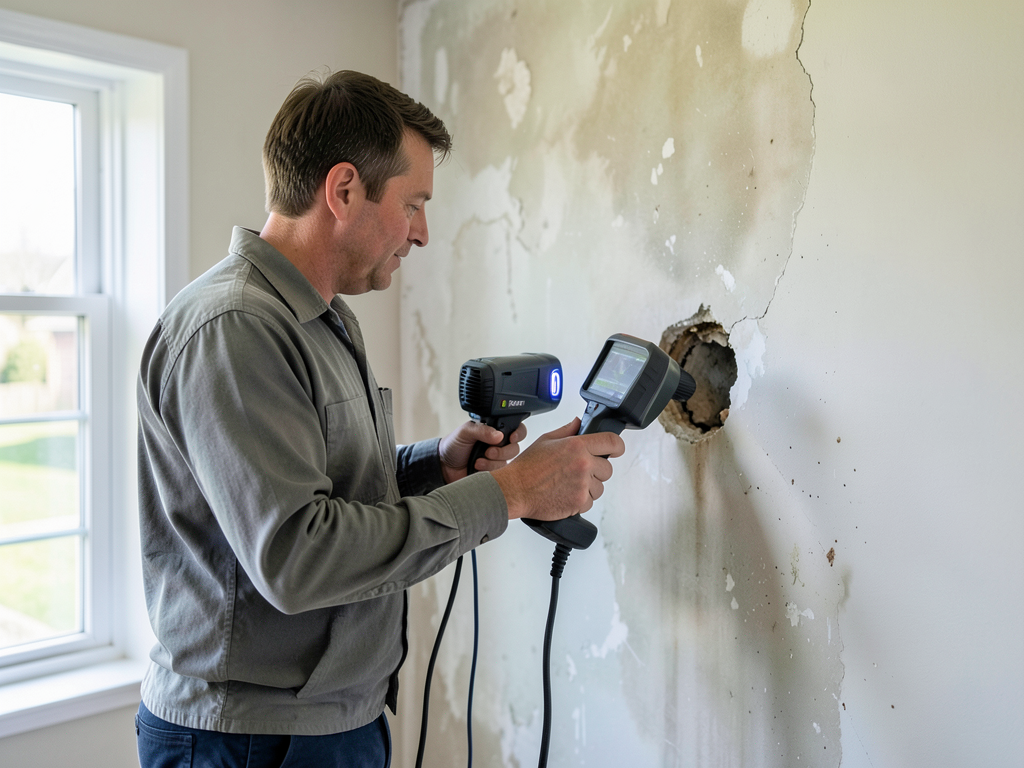
What happens to your home's resale value after a major water damage restoration Water damage strikes without warning in Greenwich. A burst pipe in a Riverside estate or a flooded basement in Cos Cob can…
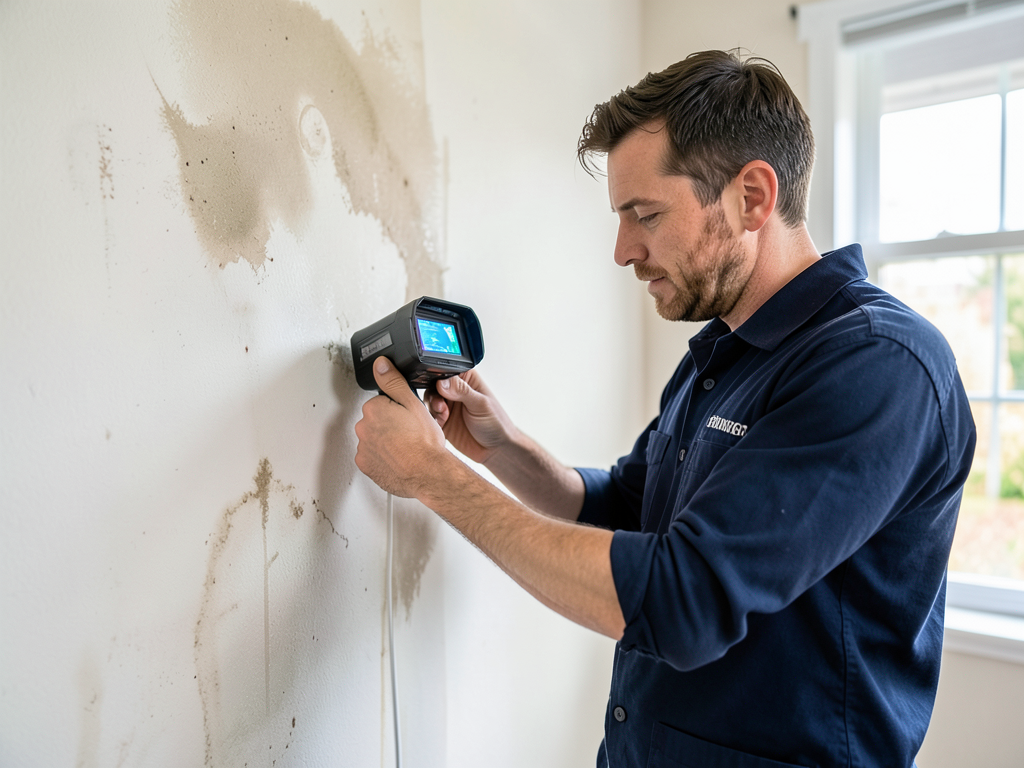
How the high mineral content in Greenwich water affects your plumbing and leak risk Greenwich…

Tracking down hidden water damage in your custom basement wet bar or wine tasting room…
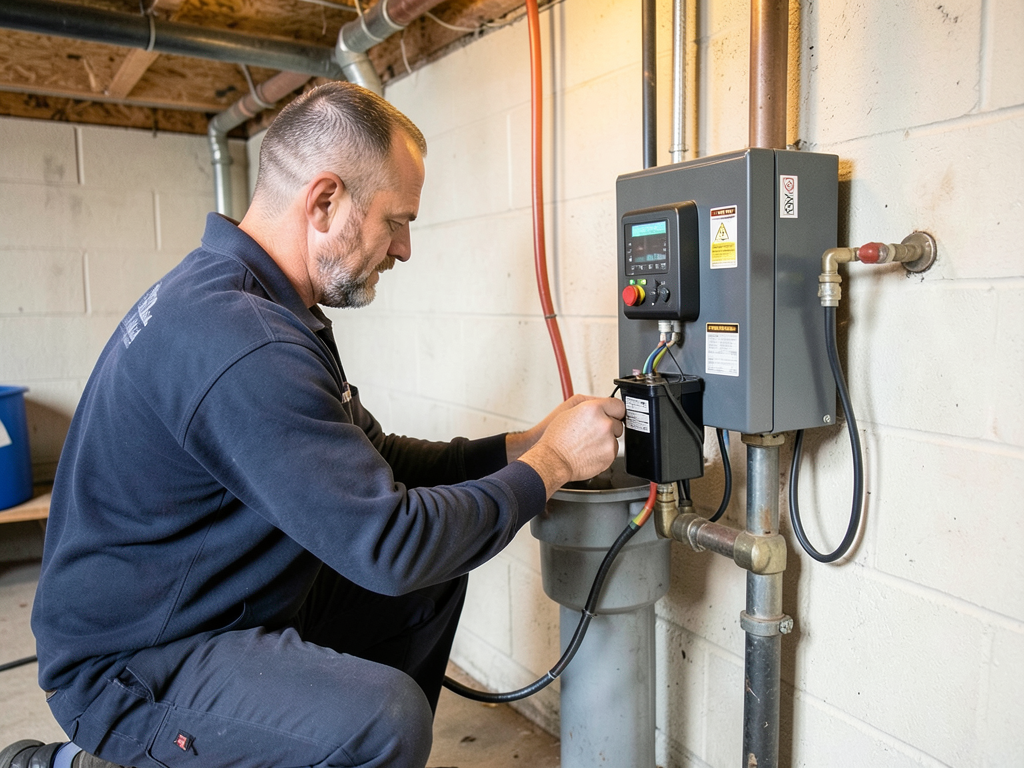
When coastal storms hit Greenwich and the power goes out, your basement's first line of…
Every minute of delay allows water to spread and cause more damage. Our certified technicians are standing by 24/7 to respond to your Greenwich property. Call (475) 320-3777 right now for immediate dispatch. We answer in under three rings and arrive in under 60 minutes with professional extraction equipment and the expertise to stop damage in its tracks.